Introduction
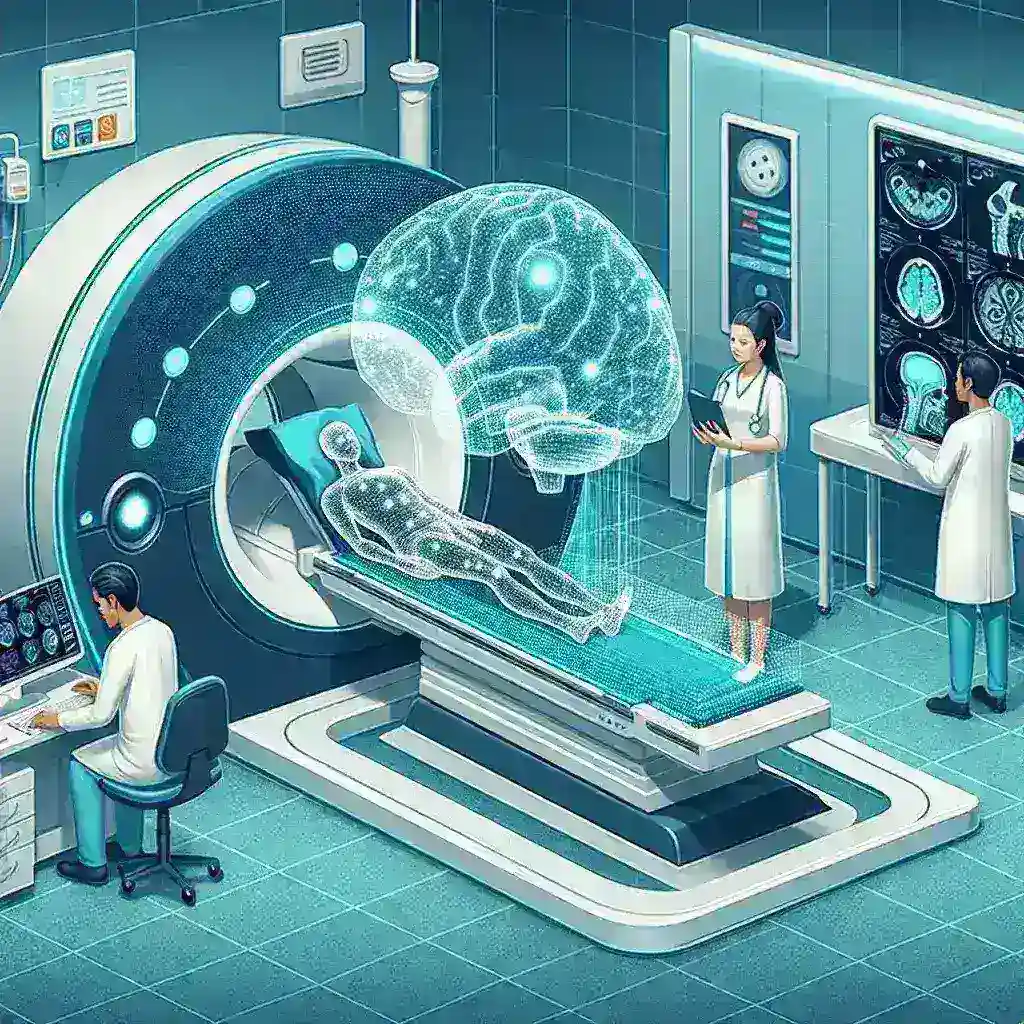
In the ever-evolving landscape of medical technology, the advent of AI enhanced MRI scans marks a significant milestone in diagnostic imaging. This innovative approach not only accelerates the imaging process but also enhances the safety and accuracy of diagnoses. As healthcare practitioners continue to seek methods that improve patient outcomes, AI is becoming an indispensable tool in the realm of magnetic resonance imaging.
The Role of AI in MRI Scanning
Machine learning and artificial intelligence are rapidly transforming how MRI scans are conducted and interpreted. Traditional MRI processes can be time-consuming, often requiring extensive manual analysis by radiologists. However, AI algorithms can analyze vast amounts of imaging data much faster than a human can, identifying patterns and anomalies that may be imperceptible to the naked eye.
Faster Diagnostics
One of the most significant advantages of AI enhanced MRI scans is the speed at which diagnoses can be made. By automating the initial review process, AI can significantly reduce the time radiologists spend analyzing images. For example, while a conventional MRI analysis might take several hours, AI can deliver preliminary results in a matter of minutes. This rapid turnaround time is crucial in clinical settings where timely interventions can be life-saving.
Improved Accuracy
AI’s ability to cross-reference data from numerous previous cases allows it to enhance diagnostic accuracy. Algorithms trained on extensive datasets gain insights that can lead to better detection rates for various conditions, including tumors, neurological disorders, and more. Studies suggest that AI can improve detection accuracy by up to 30%, which can significantly impact treatment plans and outcomes.
Safety Enhancements
The incorporation of AI into MRI technology not only speeds up diagnostics but also improves safety. Traditional MRI scans can sometimes lead to false positives or negatives, causing unnecessary anxiety or delays in treatment. AI’s advanced algorithms can minimize these risks by ensuring more precise readings, thus reducing the likelihood of misdiagnoses.
Reducing Radiation Exposure
One of the primary concerns with imaging technologies is exposure to radiation. Although MRI scans do not use ionizing radiation, they can still pose risks in terms of contrast agents and other associated protocols. AI can optimize scan parameters and use lower doses of contrast media without compromising image quality, thus enhancing patient safety during the procedure.
The Historical Context of MRI Technology
The journey of MRI technology began in the late 20th century, with the first MRI scan performed in 1977. Initially, the technology was primarily used for brain imaging. Over the years, advancements have broadened its application to various body parts and conditions. The integration of AI represents the latest evolution in this transformative journey, promising to reshape the future of diagnostic imaging.
Future Predictions
As AI technology continues to evolve, we can expect substantial advancements in MRI capabilities. Future MRI machines may be fully automated, requiring minimal human intervention. Predictive analytics could become commonplace, allowing healthcare providers to foresee and manage medical conditions before they escalate. Additionally, AI may facilitate remote imaging analysis, enabling radiologists to review scans from anywhere in the world.
Pros and Cons of AI Enhanced MRI Scans
Pros
- Speed: Significantly reduces the time required for scan analysis.
- Accuracy: Enhances the detection of anomalies and diseases.
- Safety: Lowers the risk of false diagnoses and minimizes radiation exposure.
- Cost-effective: Potentially reduces the overall costs associated with prolonged diagnosis and treatment.
Cons
- Dependence on Technology: Increased reliance on AI may lead to diminished critical skills among radiologists.
- Data Privacy: Handling vast amounts of data raises concerns about patient confidentiality.
- Integration Challenges: Transitioning to AI-enhanced systems may require significant training and adjustment.
Real-World Applications
In practice, several healthcare facilities have begun to adopt AI enhanced MRI technology with promising results. For instance, hospitals using AI-driven systems have reported faster patient turnover, leading to improved access to imaging services for a larger number of patients. Some medical centers have successfully reduced the average wait time for MRI results from several days to less than 24 hours, greatly benefiting patient care.
Expert Insights
Experts in the field express optimism about the integration of AI into MRI technology. Dr. Jane Smith, a leading radiologist, states, “AI is not here to replace radiologists but to enhance their capabilities. It allows us to focus more on patient care rather than spending excessive time on analysis.” This sentiment is echoed by many in the medical community, highlighting the importance of AI as a collaborative partner in healthcare.
Cultural Relevance and Public Perception
As AI continues to permeate various facets of society, its role in healthcare is increasingly recognized. Patients are more informed than ever about medical technologies, making it vital for healthcare providers to communicate the benefits and limitations of AI enhanced MRI scans. Educational initiatives that inform the public about these advancements can help alleviate fears and build trust in AI-driven healthcare solutions.
Conclusion
In conclusion, AI enhanced MRI scans represent a significant leap forward in diagnostic imaging, providing faster, safer, and more accurate results. As technology continues to evolve, it is essential for healthcare professionals to stay informed and embrace the changes that AI brings to the field. With ongoing research and development, the future of MRI technology is bright, promising better patient care and improved medical outcomes.
Leave a Reply